logo
Home > Products >
Cable Fault Locator
>
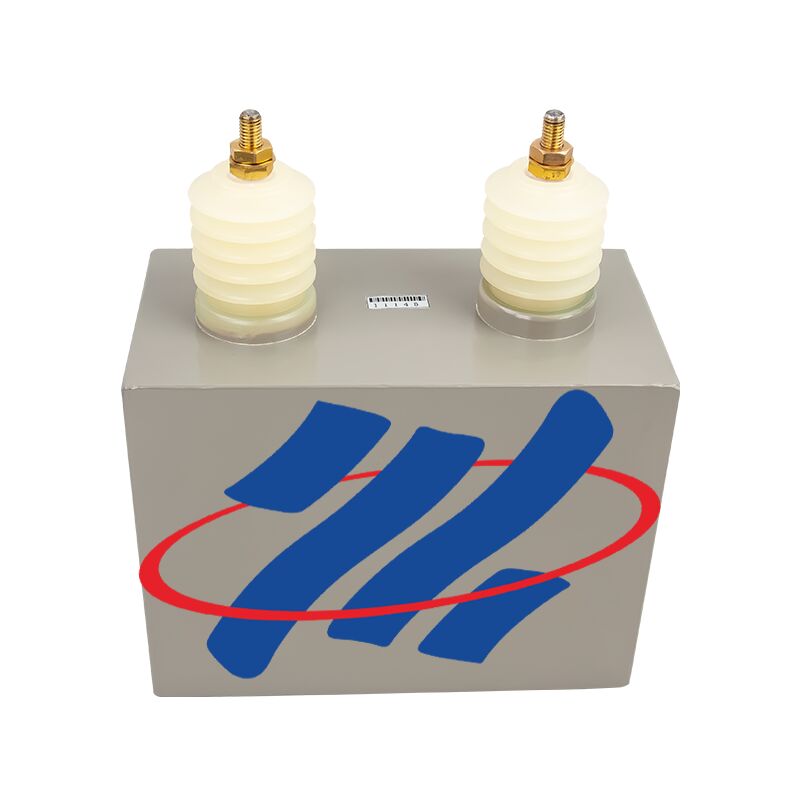
40kv Pulse Energy Storage Capacitor

40kv Pulse Energy Storage Capacitor

Product Details:
Place of Origin: China
Brand Name: XZH Test
Certification: CE/ISO
Model Number: XHCC-4/40Y
Detail Information
Place of Origin:
China
Brand Name:
XZH Test
Certification:
CE/ISO
Model Number:
XHCC-4/40Y
Highlight:

High Light

Highlight:

40kv energy-saving capacitor

,

4UF pulse capacitor

,

cable fault locator capacitor

Trading Information
Minimum Order Quantity:
1unit
Packaging Details:
wooden box
Delivery Time:
5-8 work days
Payment Terms:
T/T
Supply Ability:
2000unit/year
Product Description

XHCC-4/40Y


Model NO.
XHCC-4/40Y
Transport Package
Wooden Case
Trademark
XZH TEST
Product Description
In the realm of high-energy applications, the pulse capacitor plays a pivotal role. Imagine a small-power power supply steadily delivering energy to the capacitor over a set period. Suddenly, at a crucial moment, the capacitor unleashes all its stored energy in a blink of an eye. This rapid discharge creates a powerful surge of current and immense power. Its remarkable ability to deliver such intense bursts of energy has made it a vital tool in high-voltage impulse discharge tests, high-energy physics, oscillation circuits, and geological exploration.
Product Parameters
  1. Ambient temperature: -20~+50ºC;
  2. Altitude: ≤2000 meters, if it is greater than 2000 meters, it will be explained separately;
  3. Capacitance error: ±5%;

40kv Pulse Energy Storage Capacitor 0


Precautions and Common Faults
1. It is strictly forbidden to hit and collided the high-voltage pulse capacitor, otherwise the internal film will be easily damaged.
2. When using Pulse Energy Storage Capacitors, please read the instructions and the content of the capacitor label to prevent overvoltage use.
3. During use, pay attention to the withstand voltage and safety distance of the connecting wire.
4. After the test is completed, the high voltage end must be fully discharged.
5. During use, if there is abnormal sound inside the capacitor, it is recommended to stop using it, as there is a risk of internal insulation damage.
6. If there are bulges or bulges on the capacitor shell, it is recommended to stop using it, as there is a risk of deterioration of the internal material and insulation reduction.